
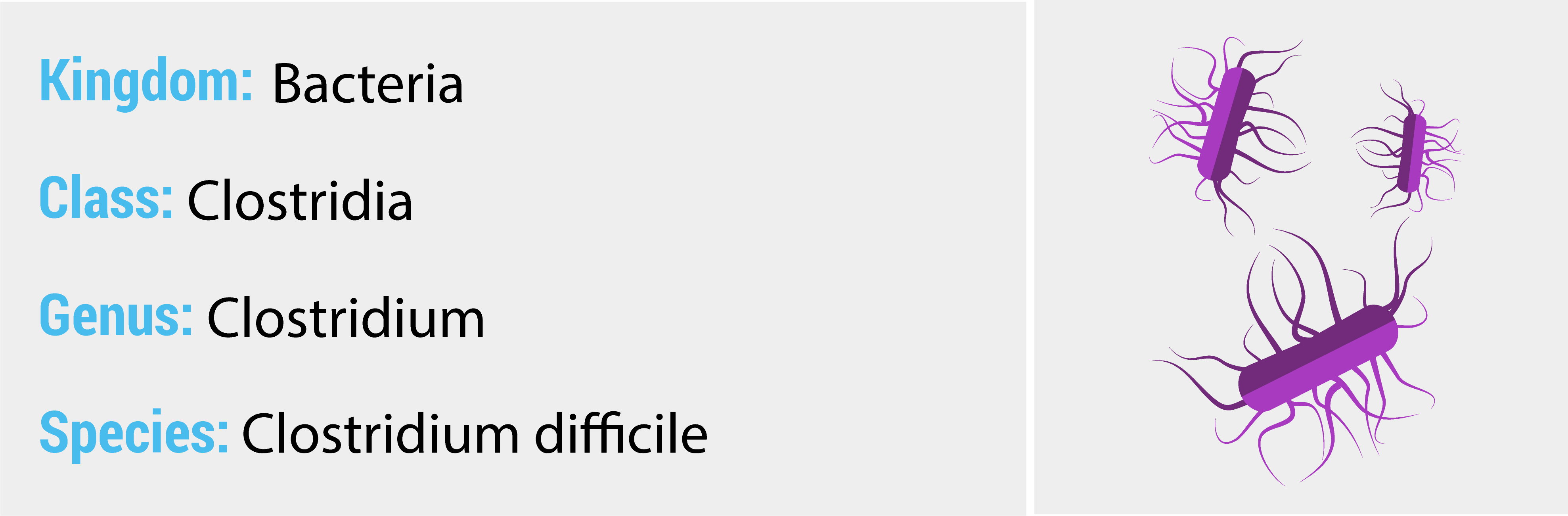
Clostridioides difficile (formerly Clostridium difficile), commonly abbreviated as C. difficile or C. diff, is a Gram-positive, spore-forming, anaerobic bacterium that represents a significant concern in both clinical and research settings.
Pathogen Profile
Clinical Significance
C. difficile causes symptoms ranging from mild diarrhea to life-threatening pseudomembranous colitis and toxic megacolon. The bacterium produces two primary toxins—toxin A (enterotoxin) and toxin B (cytotoxin)—that damage the intestinal lining and trigger inflammatory responses.
Laboratory Animal Concerns
In research environments, C. difficile poses distinct challenges:
Unintended Contamination Risks:
- Spores can survive for months on surfaces and equipment
- Environmental contamination can affect cages, racks, and procedural areas
- Cross-contamination between animal cohorts can occur through shared equipment or handler contact
- Animals may be asymptomatic carriers, complicating detection
Research Impact:
- Gastrointestinal colonization can introduce unwanted variables in studies involving:
- Microbiome research
- Immune system function
- Metabolic studies
- Nutritional research
- Pharmaceutical testing
- Subclinical infections may alter baseline physiological parameters without obvious clinical signs


