
Synexis DHP and the Mid-Procedure Gap
Research animal surgical suites are cleaned before every procedure. But there is a window during each procedure when scheduled disinfection is completely offline. Here's what that gap looks like, why it's structurally unavoidable, and what continuous pathogen reduction technology can do about it.
- Every vivarium surgical suite has a mid-procedure gap where scheduled sanitation is offline and microbial need is highest.
- Pathogens such as MRSA, Salmonella, and C. difficile can persist on dry surfaces for hours to months long enough to be present during an active procedure.
- Continuous pathogen reduction via Dry Hydrogen Peroxide (DHP) technology operates in occupied spaces, with no room evacuation required.
- Published hospital data shows 96.5% surface microbial burden reduction within 24 hours, sustained above 90% over 28 days.
The Mid-Procedure Gap in Research Animal Surgical Suites
The moment an animal is most physiologically vulnerable in a research facility is also the moment when the facility's environmental sanitation program is, by design, completely offline. A large animal surgical suite is cleaned and disinfected before a procedure begins, and the team works in that prepared environment for however long the procedure takes, sometimes hours. During that window, very little is being done to reduce environmental microbial load in the room. Not because anyone has made an error, but because doing so isn't possible while work is in progress.
This mid-procedure gap doesn't represent a failure of the sanitation program. It's the natural interval between episodic cleaning events that happens to land exactly when the need for microbial control is at its absolute peak. The animal's immune defenses are compromised, the surgical field is open, and the environment is doing whatever it does between cleanings.
The gap is structural. Even the most rigorously validated vivarium sanitation program cannot apply disinfectants to a surgical suite while a procedure is running.
The same dynamic applies in the hours between terminal cleaning events, overnight when staff have gone home, and in harborage areas where environmental pressure is intermittent. The surgical suite is simply where the stakes of the gap are most visible and hardest to dismiss.
Where the Mid-Procedure Gap Appears Across Facility Types
The surgical suite is the clearest illustration because the stakes are obvious and the gap is hard to argue with. But the same structural problem—scheduled protocols paused while the environment keeps accumulating microbial burden—appears throughout a research facility. Understanding where the gap shows up, and how it differs by context, is the first step toward addressing it.
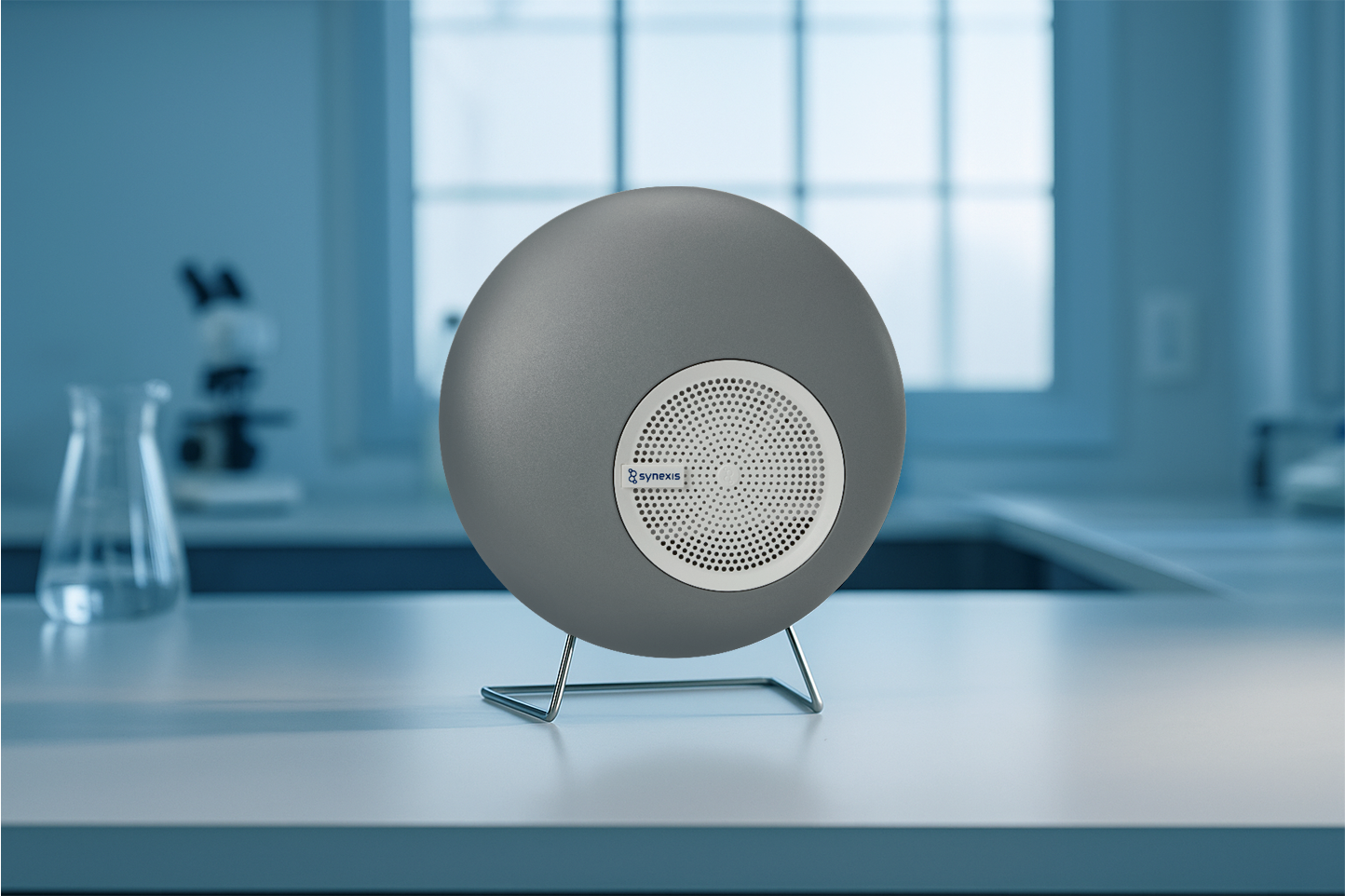
Synexis DHP technology operates continuously, including during active procedures.
- Surgical Suites — Gap runs for the full procedure duration, from first incision to closure.
- Breeding Colonies — Contamination reaching cohorts already distributed downstream.
- Multi-Use Procedure Rooms — Rapid animal cycling with often inadequate terminal disinfection between runs.
- Large Animal Housing — High organic burden; less intensive disinfection infrastructure than rodent vivaria.
- CRO Facilities — Differing priorities, teams and ownership means that organizing proper environmental sanitation programs can be complex.
In each of these contexts, the common thread is the same: the environment does not stop accumulating microbial burden between cleaning events. Continuous pathogen reduction technology is designed to run in that space—not to replace episodic cleaning, but to maintain a lower baseline throughout the windows when scheduled protocols are offline.
Continuous Pathogen Reduction During Animal Research Procedures
Our evaluation of new hygiene approaches focuses on measurable impact, operational burden, and fit within existing programs. In some cases, even highly effective chemistries present unacceptable operational tradeoffs.
Synexis DHP® technology generates Dry Hydrogen Peroxide continuously from ambient oxygen and humidity. It runs in occupied spaces. It runs during procedures. It requires no room vacancy, no staff involvement, and no coordination with existing cleaning schedules. In the surgical suite, it is present in the macro environment precisely during the window when scheduled protocols are not—the mid-procedure gap. It complements existing disinfection protocols rather than competing with them. Consumable maintenance runs every six months.
Unlike fogging and vapor-phase hydrogen peroxide systems, Synexis DHP technology operates continuously in occupied spaces—meaning it works during procedures, not just between them.
While the published performance data on Synexis DHP comes primarily from human healthcare settings, it establishes the scale of continuous reduction achievable in a complex, occupied, high-use critical care environment.
A 762-bed hospital study documented a 96.5% reduction in surface microbial burden within 24 hours of deploying continuous DHP technology, sustained above 90% over the full 28-day study period.
Sanguinet JD and Edmiston CE. American Journal of Infection Control. 2021;49(8):985–990.Third-party laboratory data on organisms directly relevant to research settings documents greater than 99.9% reduction against MRSA on surfaces at two hours, Salmonella on surfaces at ten hours, and Aspergillus niger in air at two hours. (Synexis data on file: SYN-0007, SYN-0009, SYN-0010.) The operational relevance of these figures lies in the combination: reductions against organisms that persist for months, achieved during the windows when conventional protocols are offline.
The mid procedure gap is not a failure of sanitation programs or a lapse in compliance. It is the unavoidable interval when episodic cleaning is paused while environmental microbial pressure continues to accumulate. In research animal surgical suites, that interval coincides with the moment of greatest physiological vulnerability and highest consequence exposure. Naming the mid procedure gap makes visible a reality that has always existed and opens the door to managing it with tools designed to operate when traditional protocols cannot.
Quip Laboratories has worked with facilities across research, healthcare, and life sciences environments for over 40 years. If you're evaluating continuous pathogen reduction technology for your vivarium or surgical suite, we're glad to walk through the data and what it means in your specific operational context.
Frequently Asked Questions
Questions from vivarium managers, IACUC members, and facility directors evaluating continuous pathogen reduction programs.
-
The mid-procedure gap is the window during an active surgical or research procedure when scheduled disinfection protocols are, by necessity, offline. A surgical suite is cleaned before a procedure begins, but no additional sanitation can occur while the animal is on the table. This gap lands exactly when environmental microbial control matters most, and it exists in every well-run facility regardless of how rigorous the surrounding protocols are. It is structural, not a sign of a deficient program.
-
Persistence varies significantly by organism. Salmonella can survive on dry surfaces from one day to years, Klebsiella from two hours to over 30 months, C. difficile spores for up to five months, and MRSA for seven days to seven months (Kramer et al., PMC7114656). These ranges describe what may be present on surfaces during a procedure even when pre-procedure preparation was thorough—organisms do not disappear because a cleaning was performed hours earlier.
-
The Guide for the Care and Use of Laboratory Animals (NRC, 8th Edition, 2011) defines sanitation frequency as whatever is necessary to maintain a healthy environment. It is a performance standard, not a fixed interval—facilities are expected to demonstrate that their program produces an acceptable environment, not to adhere to a prescribed schedule. This flexibility is useful, but it does not address what happens to environmental microbial load between cleaning events or during active procedures.
-
No. Synexis Dry Hydrogen Peroxide technology generates low-level hydrogen peroxide continuously from ambient oxygen and humidity, and it operates in occupied spaces. It does not require room vacancy, staff coordination, or scheduling around existing cleaning protocols. This is the characteristic that makes it relevant to the mid-procedure gap—it is the only currently available approach that can reduce environmental microbial burden during an active surgical procedure.
-
No—the surgical suite is the clearest example because the stakes are obvious, but the same structural gap appears in breeding colonies, multi-use procedure rooms, large animal housing, and CRO facilities. Anywhere that scheduled cleaning pauses while the environment continues accumulating microbial burden, the gap exists. It also applies to the overnight hours when staff are not present and harborage areas are undisturbed for extended periods.
Want to see how continuous pathogen reduction fits your facility?
We've worked with research facilities for over 40 years. Explore our full range of hygiene and biosafety services, or reach out and we'll walk you through the options that make sense for your program.
Contact Quip Laboratories
Have questions about your vivarium hygiene program or want to discuss continuous pathogen reduction options? Fill out the form below and a member of our team will be in touch.
Need a quote? Ready to order? Just want to say hi? Fill out the form!
"*" indicates required fields