By Kyle DeBruhlCagewash, Detection & Monitoring Products, Most Popular, Sanitation
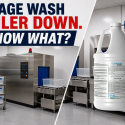
Biosafety & Sanitation What Happens When a Cage Washer Boiler Fails 8 min read Validating a Cold-Water Wash Cycle How Monitoring Proved It Worked Staying Validated Long-Term Frequently Asked Questions What would you do if the boiler on your tunnel washer died on a Friday, with no repair timeline in sight and a backlog of
By Kyle DeBruhlAnimal Drinking Water Cleaning Systems, Chlorine DioxideTags: Animal Drinking Water
PurityGard ADW System Why your animal drinking water program might fail AAALAC inspection Most AAALAC site visitors do not provide a detailed list of every question they'll ask during a facility tour. They frequently engage directly with animal care staff and technicians, asking them to explain SOPs, records, and routine practices on the spot. Facilities
By Kyle DeBruhlCorrosivity, Halo Disinfection System
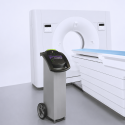
HaloMist & HaloFogger Before assuming H₂O₂ fogging will void your warranty, read this You've heard that hydrogen peroxide fogging can damage equipment. When using traditional 35% VHP systems, that concern is well-founded and well-documented, but 5% aerosolized, silver-stabilized hydrogen peroxide like HaloMist is different. The mechanism is oxidation. Hydrogen peroxide at high concentrations is a
By Kyle DeBruhlMost Popular
Animal Research Biosafety · 10 min read Cleaning and Disinfection Protocols for NHP and Large Animal Research Facilities: What Your SOP Needs to Account For NHP and large animal facilities deal with cleaning challenges that many other research facilities do not. Accumulated layers of protein, microbial biomass, and fecal residues can become physically cohesive and
By Kyle DeBruhlAir, Bacteria, Biomedical Research, Disinfectants, Mold, Sanitation, Viruses
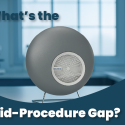
Vivarium Hygiene · Research Facilities · Pathogen Control · 7 min read Research animal surgical suites are cleaned before every procedure. But there is a window during each procedure when scheduled disinfection is completely offline. Here's what that gap looks like, why it's structurally unavoidable, and what continuous pathogen reduction technology can do about it.
By Kyle DeBruhlMost Popular
Animal Research · Disinfection Science · Facility Operations · 12 min read Disinfectant selection in an animal research facility is a scientific decision — one that affects your data, your animals, your equipment, and your staff. Here is what the peer-reviewed literature actually shows, and what it means for your protocol. Key takeaways Vimoba and
By Kyle DeBruhlMost Popular
When facility managers evaluate new cage wash suppliers, the conversation often begins with discovering waste. Uncalibrated dispensing systems quietly overdose chemicals for months before anyone notices the drums emptying faster. Rewashing loads wastes water and electricity. Staff spend hours troubleshooting problems that shouldn't exist. Chemical deliveries arrive unpredictably, forcing facilities to stockpile inventory that ties
By Kyle DeBruhlQuip Labs History
This is the first installment in our four-part series on QuipDecon decontamination services. We're starting by introducing Donna Monroe, Vice President and leader of our QuipDecon team. Next week, we'll walk through what happens in the first 24 hours after discovering contamination. A Story of Commitment to Better Research “You Start Where They Put You.”
By Kyle DeBruhlBacteria, Biomedical Research, Pathogen, Resource Efficiency, Uncategorized, Viruses
We recently heard clients discussing disinfectant concentrations and contact times for their vivarium. One researcher mentioned using a popular hydrogen peroxide-based disinfectant at a 1:16 (8oz per gallon) dilution ratio, while others reported using the same product at a 1:64 (2oz per gallon) dilution for the same purposes. This conversation highlighted a common industry challenge: