By Kyle DeBruhlAir, Bacteria, Biomedical Research, Disinfectants, Mold, Sanitation, Viruses
Vivarium Hygiene · Research Facilities · Pathogen Control · 7 min read Research animal surgical suites are cleaned before every procedure. But there is a window during each procedure when scheduled disinfection is completely offline. Here's what that gap looks like, why it's structurally unavoidable, and what continuous pathogen reduction technology can do about it.
By Kyle DeBruhlBacteria, Biomedical Research, Pathogen, Resource Efficiency, Uncategorized, Viruses
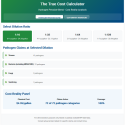
We recently heard clients discussing disinfectant concentrations and contact times for their vivarium. One researcher mentioned using a popular hydrogen peroxide-based disinfectant at a 1:16 (8oz per gallon) dilution ratio, while others reported using the same product at a 1:64 (2oz per gallon) dilution for the same purposes. This conversation highlighted a common industry challenge:
The World Health Organization has been clear that Polio cases are on the rise, and that “risk of international spread of poliovirus remains a Public Health Emergency of International Concern (PHEIC).” So, depending on your facility needs, finding a disinfectant that has the Poliovirus claim may be important. The global drive to wipe out the virus
1. Know your Pathogens. Different disinfectants offer different levels of efficacy and knowing which bacteria and viruses your facility is most likely to encounter will help you know which disinfectant to use. For example, as you can see by filtering our chemical products by efficacy claims, Canine Distemper Virus has a completely different set of recommended products
What is Bleach? The most common chlorine products are aqueous solutions of 4% to 6% sodium hypochlorite, which are readily available as “household bleach”. Bleach has a broad spectrum of antimicrobial activity, is unaffected by water hardness, is inexpensive and has a low incidence of serious toxicity. However, bleach has a host of drawbacks which should