By Kyle DeBruhlAir, Bacteria, Biomedical Research, Disinfectants, Mold, Sanitation, Viruses
Vivarium Hygiene · Research Facilities · Pathogen Control · 7 min read Research animal surgical suites are cleaned before every procedure. But there is a window during each procedure when scheduled disinfection is completely offline. Here's what that gap looks like, why it's structurally unavoidable, and what continuous pathogen reduction technology can do about it.
By Donna MonroeBiomedical Research, Decontamination Services, Industry
This is Part 3 of our four-part series on QuipDecon decontamination services. We've covered who leads our decontamination team and what happens in the first 24 hours after contamination. This week we're examining the critical decision between handling decontamination internally versus bringing in professional services. Last week we talked about what happens in the first
By Donna MonroeBiomedical Research, SanitationTags: Decon, Decontamination, Quipdecon
This is Part 2 of our four-part series on QuipDecon decontamination services. Last week we introduced Donna Monroe, Vice President and leader of our QuipDecon team. This week we're covering what happens in the critical first 24 hours after discovering contamination. Next week: deciding between internal and professional decontamination approaches. The sentinel results hit your
By Kyle DeBruhlBacteria, Biomedical Research, Pathogen, Resource Efficiency, Uncategorized, Viruses
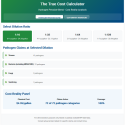
We recently heard clients discussing disinfectant concentrations and contact times for their vivarium. One researcher mentioned using a popular hydrogen peroxide-based disinfectant at a 1:16 (8oz per gallon) dilution ratio, while others reported using the same product at a 1:64 (2oz per gallon) dilution for the same purposes. This conversation highlighted a common industry challenge:
By Kyle DeBruhlBiomedical Research, Industry, Resource Efficiency
The landscape of biomedical research facilities has changed dramatically in recent years, with unprecedented challenges including budget constraints from indirect funding caps, staffing limitations due to hiring freezes, increasing compliance requirements, and supply chain vulnerabilities. In this constrained environment, the traditional approach of addressing sanitation needs through disconnected components—separate vendors for cage wash chemistries and
By Kyle DeBruhlCompanion Animal Care, Detection & Monitoring Products, Disinfectants, Hard Surfaces
Veterinary professionals are increasingly focused on creating environments that promote animal comfort and reduce stress. But are your disinfectants helping—or unintentionally doing harm? Recent research has uncovered something that should give every clinic pause: animals are demonstrating significant aversion to certain hydrogen peroxide-based disinfectants commonly used in clinical and research settings. These findings raise important
By Kyle DeBruhlBiomedical Research, Sanitation
WHY IS ATP VALIDATION IMPORTANT? Every researcher knows that reproducible results start with a controlled environment. In our decades of supporting research facilities, we've found that one of the most overlooked aspects of research control is validating cleaning protocols. While many facilities have robust cleaning procedures in place, knowing whether these procedures are consistently effective
By Kyle DeBruhlBiomedical Research, Cagewash, Disinfectants, Halo Disinfection System, Industry, Sanitation
Reduce Waste. Reduce Costs. Streamline Vendors. Decontamination services? Cage wash program management? Drinking water? Whole-Room Disinfection? Yes, we do that too. Our comprehensive approach means that what we recommend will be meticulously tailored to meet your needs, whatever they may be. How can we help streamline your procurement? It all starts with superior chemistries, formulated
By Kyle DeBruhlBiomedical Research, Detection & Monitoring Products, Sanitation
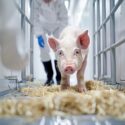
In swine research facilities, especially those involved in genetic engineering and xenotransplantation, maintaining stringent biosecurity measures is essential to ensure the integrity of research and the health of both animals and staff. The risk of contamination can compromise research results, endanger animal welfare, and even pose health risks to personnel. That’s why at Quip Labs,
What is ATP? Adenosine triphosphate (ATP) is a chemical produced in all living cells. Its presence on a surface is an indication of organic contamination. That contamination can come from human contact, bacterial presence or some other form of organic residue. The amount of ATP remaining on a cleaned surface is a direct indication of