Hantaviruses are a family of enveloped, single-stranded RNA viruses carried asymptomatically by rodents — most notably the deer mouse (Peromyscus maniculatus) in North America. Infection occurs primarily by inhaling aerosolized particles from infected rodent urine, droppings, or saliva. The virus does not spread person-to-person in most strains.
Two distinct syndromes result from hantavirus infection: Hantavirus Pulmonary Syndrome (HPS), prevalent in the Americas, and Hemorrhagic Fever with Renal Syndrome (HFRS), more common in Asia and Europe. HPS is rare — fewer than 850 cases have been confirmed in the U.S. since 1993 — but carries a case fatality rate of approximately 36%, making environmental decontamination a critical biosafety priority in any affected facility.
Unlike many respiratory pathogens, hantavirus does not spread from human to human in North America (with the exception of the Andes strain in South America). Transmission is almost exclusively zoonotic, with rodents serving as the reservoir host. The most common exposure scenario is disturbing dry rodent droppings in an enclosed space without proper respiratory protection.
Hantavirus can survive on indoor surfaces for several days to weeks — more stable in cool, humid environments and rapidly inactivated by UV light, heat, and desiccation. Surface saturation with disinfectant before any cleanup activity is essential, not optional.
HPS progresses through two distinct phases. The early phase mimics many common illnesses, making initial diagnosis challenging.
Early phase (3–5 days):
- Fever and chills
- Severe muscle aches
- Fatigue and malaise
- Headache
- Nausea and vomiting
- Abdominal pain
Late phase (4–10 days after onset): Rapid onset of coughing and shortness of breath as the lungs fill with fluid. This phase can progress to respiratory failure within hours and requires immediate hospitalization.
HFRS, caused primarily by Old World hantaviruses (Hantaan, Seoul, Puumala viruses), progresses through five clinical phases: febrile, hypotensive, oliguric, diuretic, and convalescent. Key symptoms include:
- High fever (sudden onset) and headache
- Lower back pain and abdominal pain
- Blurred vision and facial flushing
- Petechiae (small hemorrhagic spots)
- Kidney dysfunction / acute renal failure
- Hypotension and shock in severe cases
Hantavirus is an enveloped RNA virus, making it susceptible to a broad range of EPA-registered disinfectants when applied correctly. The primary risk during cleanup is aerosolization of dried excreta — surface saturation before any physical disturbance is essential.
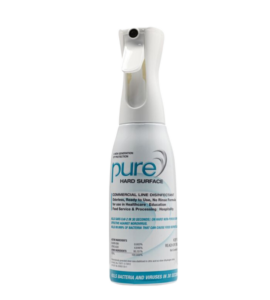
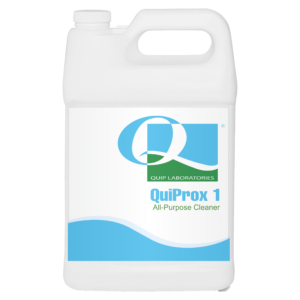
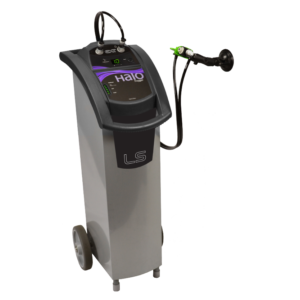
Quip Laboratories offers EPA-registered options across multiple chemistry types, all carrying the EPA Emerging Viral Pathogens designation. See the product selector below. Always follow label directions for contact time and dilution rate.
CDC-recommended protocol for rodent-contaminated areas:
- Never dry-sweep or vacuum rodent droppings — always wet surfaces first
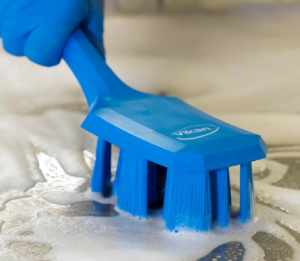
- Liberally apply an EPA-registered disinfectant to all contaminated surfaces
- Allow appropriate contact time before wiping
- Wear gloves, respiratory protection (N95 minimum), and eye protection during cleanup
- Double-bag all materials and dispose as contaminated waste
Quip Labs Products Recommended for Hantavirus
All products below are EPA-registered and either carry a direct hantavirus claim or qualify under the EPA Emerging Viral Pathogens (EVP) designation. Select a product to view details.
Anlage 7.5
CIP Disinfectant for Sprayers & Pressure WashersAnlage QTB
Ready-to-Use Research Disinfectant SprayCleanCide
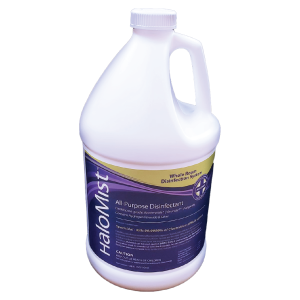
Citric Acid Disinfectant WipesHaloMist
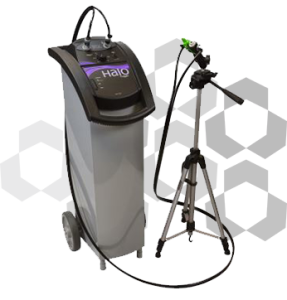
RTU Surface & Fogging DisinfectantHexagiene
RTU Hydrogen Peroxide DisinfectantMB-10 Tablets
Pure Chlorine Dioxide — Tablet FormatSani-Plex 128M
Laboratory & Veterinary DisinfectantVimoba Tablets
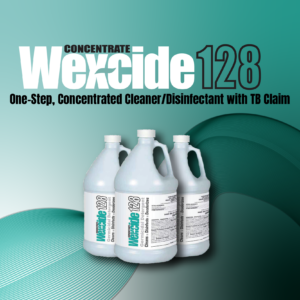
Pure Chlorine Dioxide — Buffered Tablet FormatWex-Cide 128
TB Research DisinfectantFrequently Asked Questions
Full Product Finder — Hantavirus
Use the filter below to search all EPA-registered disinfectants with this claim by product type, application method, or chemistry. Not sure which product fits your facility? Call us at (800) 424-2436.